

Reintegrating former child soldiers in DRC through vocational training
Go back:quality(85))
$2,700
Through hands-on vocational training in welding, carpentry, and fitting, alongside psychosocial support and structured daily routines, the project helps former child soldiers in Eastern Congo rebuild confidence, gain practical skills, and move towards stable livelihoods. The goal is to reduce the risk of re-recruitment into armed groups and open pathways into dignified work and community life.
- Region 🇨🇩 Congo (DRC)
- Sector Education
- Beneficiaries 20
- Stage Pilot
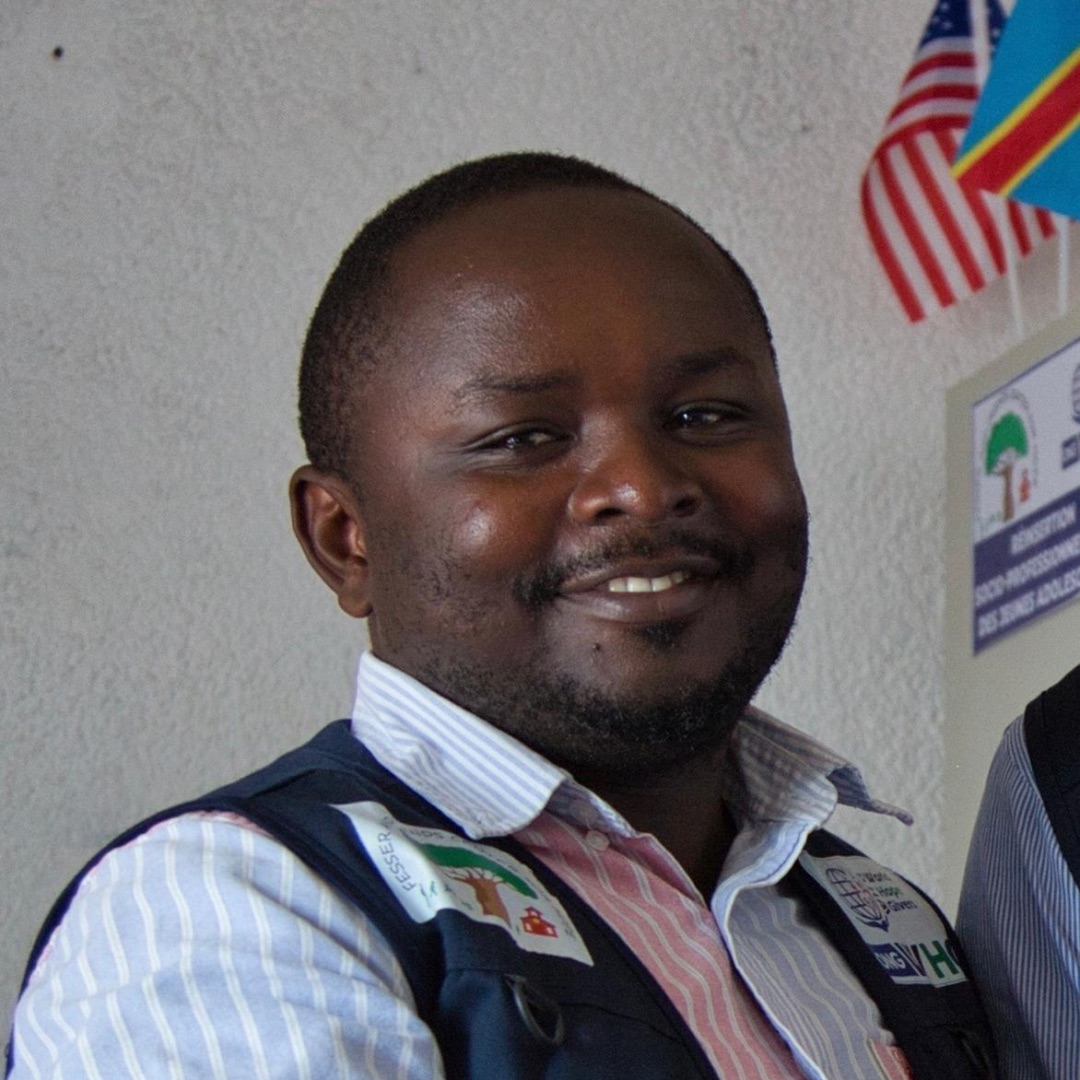
This project grew out of the work of Alain Bayongwa, founder of World Hope Givers (WHG), an organisation based in Eastern DRC.
Alain has worked with emergency doctor Nicolas Fesser (Fesser & Friends) for years, supporting children affected by armed conflict around Goma. Many were forcibly recruited into armed groups or pushed onto the streets. Most carried trauma and had lost access to education and family.
At a care centre in Goma, the team started with immediate needs: food, shelter, safety, and therapy. Over time, they saw that the biggest turning point came when young people learned a trade they could use to earn money. Welding, carpentry, and metal fitting gave them practical skills and income options (and a reason to stay out of armed groups).
:quality(85))
Why this matters
Conflict with armed groups such as M23 has displaced thousands of people in North Kivu, and children are among the most affected. Local estimates suggest that hundreds of children in Goma alone are either ex-combatants or living on the streets with little or no support.
Many of these young people experience ongoing violence, hunger, and exclusion. Existing programmes often provide short-term shelter or rapid reunifications, but do not always ensure that children have the skills and support needed for long-term stability.:quality(85))
By investing in vocational skills and emotional healing, this project:
Reduces the risk of re-recruitment into armed groups.
Supports dignified, sustainable incomes through small cooperative businesses.
Strengthens community cohesion by preparing families and neighbourhoods to welcome young people back.
Puts children’s rights into practice through access to education, protection, and development opportunities.
What this project will change
Over three months semesters, cohorts of young people will transition from extreme vulnerability towards safer, more stable futures.
Each participant will:
Join a structured training programme in carpentry, welding, or metal fitting.
Take part in daily activities that support healing, including music, sport, and group sessions.
Receive regular meals and secure shelter during the training period.
Work with trained psychologists and social workers to process trauma and plan next steps.
By the end of the semester:
Young people will have completed hands-on training in at least one trade.
Groups of five will be equipped with start-up toolkits to launch small cooperative projects.
Participants will be linked to local savings groups and community-based support.
The wider impact includes families and community members who see children returning not as "former soldiers" but as apprentices, workers, and neighbours with something to contribute.
Technical stuff
The Details
- Young people trained in trades 0